Places in Belarus to Visit
Brest Oblast - Southern Point of Belarus
Belarus Cities - Brest Oblast
Southern part of the Oblast is occupied by unique natural and ethno-cultural land named Polesye. The main water artery of the Oblast River Pripyat with many tributaries flows here.

BRESTIn order to protect the unique natural resources, 12 reserves, 29 protected natural monuments were established in the Oblast. The real pride of the Republic is the State National Park Belovezhskaya Pushcha, the unique forest land in the northwest of the Oblast. Total square of the Park is 87,6 thousand hectares with more than 900 species of plants. More than 60 species of animals, including the famous symbol of Belarus – European bison – reside in the Park.
BelarusKamenetsIt was here in Viskuli Village, where the leaders of Belarus, Russia and Ukraine signed the famous “Belovezha Agreement” that finished existence of the USSR. Now this “death site” of the once mighty empire is very popular with tourists.

Kamenyuki Village (Kamenets District) hosts Belovezskaya Pushcha Museum. Don’t miss an opportunity to see one of the Belarus national symbols – famous Kamenets Tower, widely known as Belaya Vezha (White Tower). This tower was built in the 12th century and still impresses with its design and elegance.Belarus Sightseeing - Belaya Vezha in Brest

Territory of the Brest Oblast is rich in historical and cultural monuments. More than 120 old parks and estates, 2084 monuments of history and architecture are situated here. One of the most ancient is Berestye Archeology Complex with buildings of the 11-12th centuries. One of the most valuable history and architecture monuments is Catholic church in Ishkold Village (Baranovichi District) constructed in original Belarusian Gothic style, as well as Catholic church in Chernovchitsy Village (Brest District) in Renaissance style, monastery of Cartesian Order in Bereza town, St George church in Sinkevichi Village (Luninets District). Remnants of Sapegas’ Palace in Ruzhany (17-18th centuries) despite its dilapidated conditions create indelible impression – imposing columns of majestic facade, elegant galleries “embrace” the palace…

Brest is traditional “Western” gates of the country, the city with glorious centuries-old history and amazing present. The city was first mentioned in 1019. In 1390 it was the first Belarus city granted the privilege of self-government according to the Statute of Magdeburg. It was here in 1596, that the historical Brest Union, which conciliated and united Catholicism and Orthodoxy in Belarus, was concluded. In 1917 Bolshevik government with Lenin on its head signed “Brest Litovsk” Peace with Germany during the First World War. 

During the Second World War the city grew famous because of outstanding heroism of defenders of the Brest Fortress, which lately got the title “Hero Fortress”. Today “Brest Fortress Hero” is one of the most visited tourist attractions of the city. The braveness of Soviet soldiers, who first faced treacherous attack of Nazi Germany in the summer of 1941 and who kept defense – unbelievable in those conditions! – giving the country an opportunity to summon its strength – this braveness is truly legendary and deserves to be remembered forever. Look at red walls of the fortress, literally riddled with machine gun fire –  for more than 60 years they have served as a remind of heroes.

Modern Brest is a border city, vigorous and energetic. In 1996 free economic area was established here for the period of next 50 years. As a result, it has led to the considerable revival of business activity in the Oblast.
 
25 Sights in Minsk City
Belarus Cities - Sight in Minsk

1. Minsk City Hall

The history of Minsk City Hall is directly connected with the Magdeburg right that was granted to the city in 1499 by the Lithuanian grand duke Alexander (1461-1506). Minsk got the right to create its own institution of self-government - a city council, for the sessions of which the building of the City Hall was constructed. The first wooden building was erected in the first half of the XVI c. but the place of it remains unknown as the archeologists didn't find any rests of it. The stone building of the City Hall was built in 1582 instead of a wooden one. It stood on the territory of the Upper market, in the middle of the Cathedral square (Freedom square). During military conflicts the City Hall was repeatedly destroyed, but each time inhabitants of Minsk restored their symbol of the city. When the Russians came to power the city self-government was abolished. In the building of the City Hall at various times there was the court, a police station, a guardroom, an archive instead of the city council. In 1830 there was a musical school here and in 1847 - theatre.

Read more...
 
Minsk, the Capital of Belarus
Belarus Cities - MINSK

Virgin_Maria_Catholic_Cathedral_in_MinskMinsk_center_1

MINSK or Menesk, as the chronicles called Minsk in the year 1067, was founded on the banks of the Svislach River and the Niamiha River at the end of the 11th century as a result of movement from an older settlement (16 km from the present-day Minsk) on the Menka River, to which the city owns its name. Originally, it was a wooden fortress close to the Prince's yard that was enclosed with earthen walls and houses of townsmen, built over the territory within the walls. In the 12th century, with the first stone temple erected there, Minsk became the center of apanage principality separated from the Polatsk Land where the foundations of Belarusian statehood were laid.
Read more about the Capital of Belarus, Minsk
 
Minsk Botanical Garden – New Belarus Tourism Brand
Belarus Cities - Minsk Oblast
Minsk Botanical Garden was founded in 1932, but the substantial reconstruction took place only nowadays. After Alexander Lukashenka, the head of Belarus, visited the Garden in 1999, the reconstruction campaign of the Botanical Garden was introduced. Minsk Botanical Garden Palm Flowers This campaign is to be finished in 2010, however there is still much to be improved.

One of the main evaluation parameters for any garden is the number and the variety of plants, which can be found there. The Central Botanical Garden in Minsk can boast more than 10 000 taxons, and the collection is constantly enlarged.

The most frequent guests of the Botanical Garden are school children and students, nevertheless, today the visit to the Botanical Garden is often included into the travelling tours around Minsk.
For instance, tourists from Syria and UAE are especially interested in such excursions, as there are many difficulties with planting in their countries.

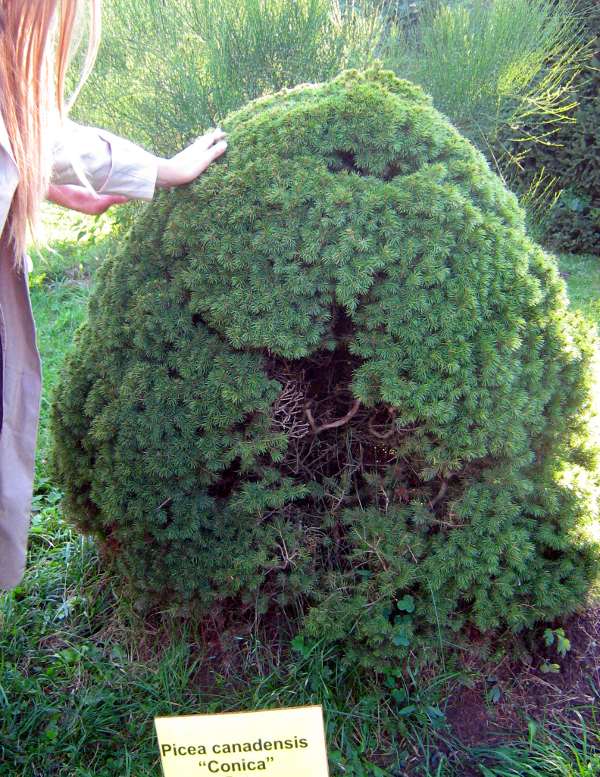
Minsk Botanical Garden Conica Tree Today the Botanical Garden offers an excursion to lemon greenhouse. The exhibition of citrus fruit is the only of its kind in Belarus. The collection embraces 25 sorts of lemons, 5 sorts of mandarins, 4 sorts of grapefruit, and 3 sorts of oranges.

In 2007 the new tourist attraction was introduced at the Botanical Garden, flower exhibition, covered by the huge glass dome, where the special temperature and humidity conditions are preserved. There one can enjoy more than 500 species of exotic plants. It feels like you are having a walk along the tropical rainforest, with bananas and agaves hanging over your head. Without leaving the exhibition, one can have some rest at the cozy café, which offers a wide variety of herbal teas. Although in winter most outside exhibitions are not so interesting, the tropical plants are in full blossom during winter time.

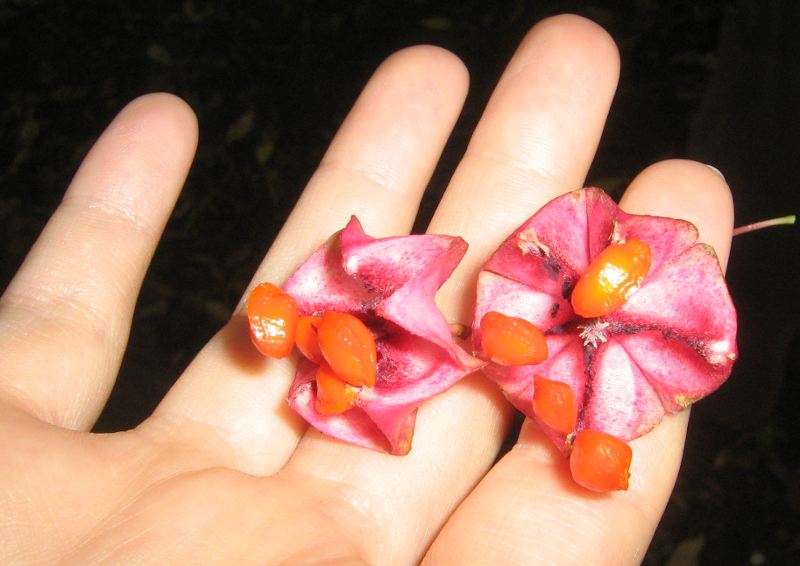
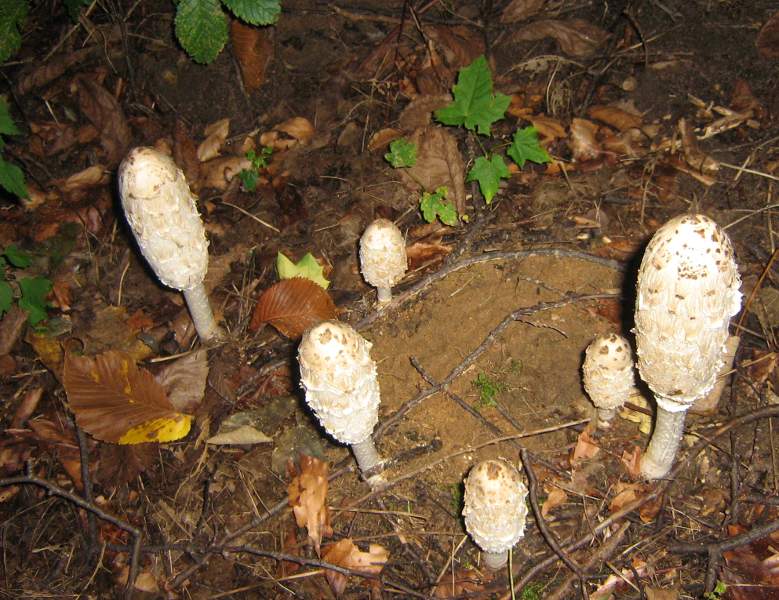
Minsk Botanical Garden Mushrooms The representatives of the Belarusian tourist agencies state, that it could be a nice idea to set up a small shop, offering some small packets with tea, herbs, some fruit, or small jars with honey, as everyone, who visits the Botanical Garden (especially foreign visitors) would be delighted to purchase these small souvenirs. As we have put it, there is still much to be added to Minsk Botanical Garden, nevertheless it is really worth a visit!
 
Minsk Attractions - Minsk Sightseeing on a Walking Tour 2
Belarus Cities - MINSK

Minsk Sightseeing Tour Part 2

Belarus_Minsk_Troitsky_suburb3Last time we finished the story about the walking tour around Minsk in one of the restaurants, offering national cuisine of Belarus. After having something delicious, we keep on walking and notice a two-storey building in the Rakovskaya Street that was a Sunday school in 1901-1906 organized by Ekaterina Izmaylovich, socialist revolutionary terrorist, who was later executed. In another building (number 17) in this street there was a sinagogue.

This part of Minsk has seen some truly devastating times under the nazi occupation. The region belonged to the largest ghetto of Europe, with 39 streets besieged by the German soldiers, and more than a hundred Jews taken prisoners. The Nazi thought that 1.5 square meter is enough for one person, that is why one small flat turned into home for 25-30 people. Only 13 Ghetto prisoners survived till the liberation of Minsk.
Minsk travel places tour
 
<< Start < Prev 1 2 Next > End >>

Page 1 of 2